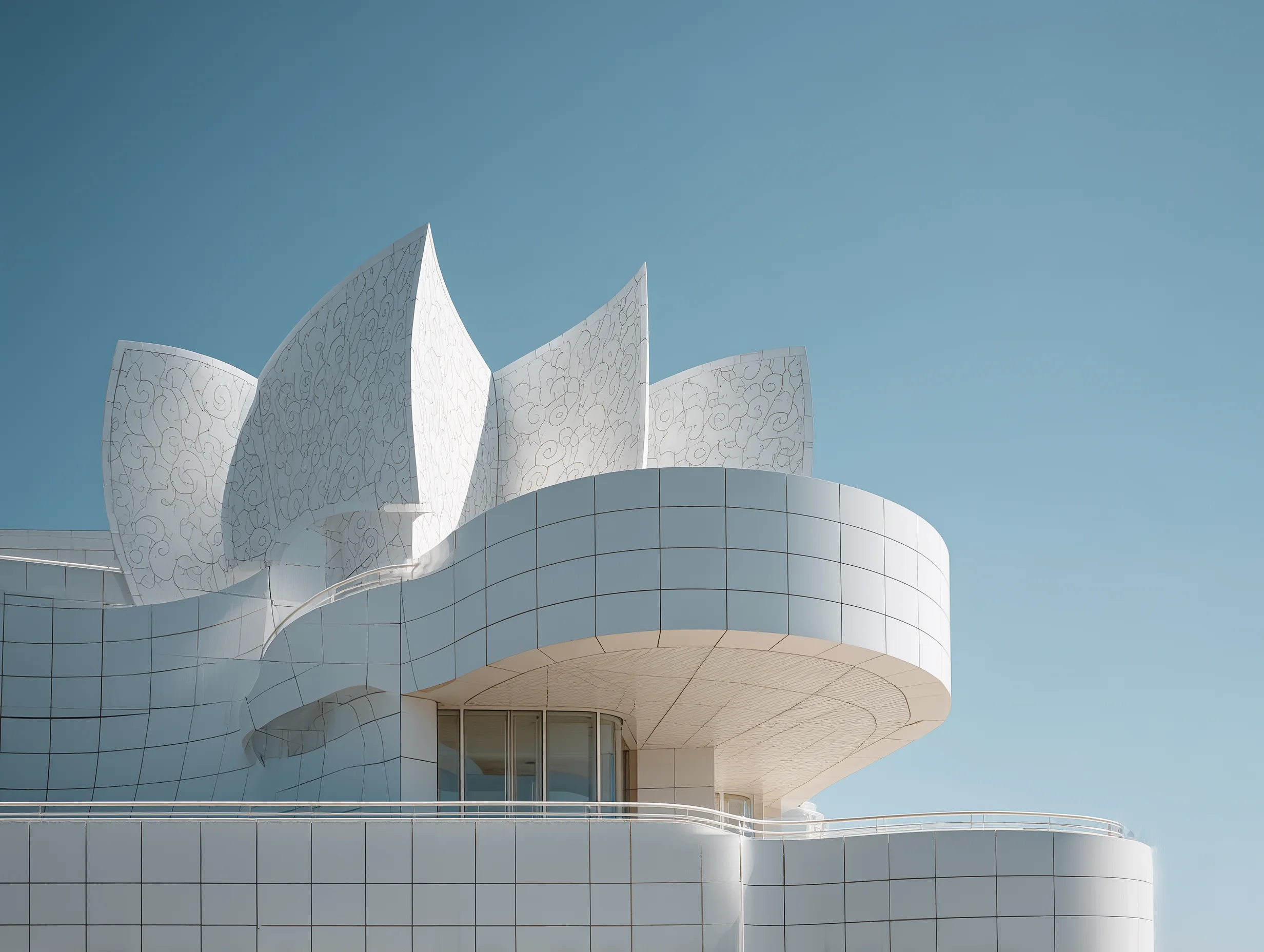
Sustainable Design in Futuristic Architecture

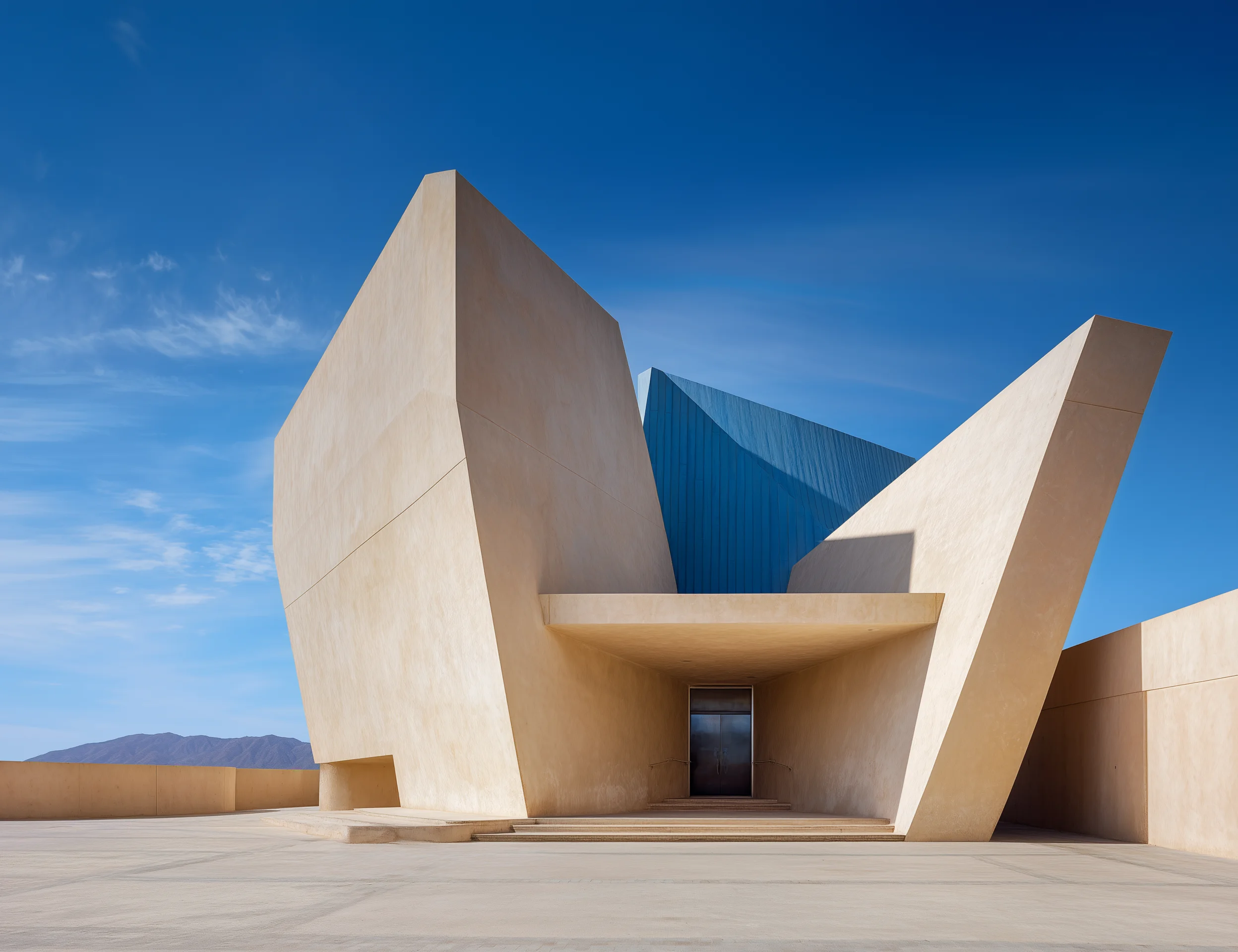
Sustainable Design in Futuristic Architecture
Sustainable design is at the forefront of futuristic architecture. As climate change becomes an increasingly pressing issue, architects are tasked with creating buildings that minimize environmental impact. This article discusses various sustainable practices, such as green roofs, solar panels, and energy-efficient materials, that are becoming standard in modern architecture.

Redefining Urban Mobility
The concept of how we move through cities is undergoing a radical transformation, moving beyond traditional vehicles to embrace a more integrated and intelligent urban mobility ecosystem. Imagine a city where autonomous electric vehicles communicate seamlessly with smart traffic lights, optimizing flow and drastically reducing congestion. Drone deliveries become commonplace, alleviating road traffic and speeding up logistics. Public transport networks, powered by AI, dynamically adjust routes and schedules based on real-time demand, while widespread micro-mobility options like e-scooters and shared bikes provide efficient last-mile solutions. This interconnected web of transport not only promises cleaner air and less noise but also reclaims vast urban spaces currently dedicated to parking and roads, paving the way for greener, more livable cityscapes.
Innovative Practices
- Green Roofs: Reducing heat and improving air quality.
- Solar Energy: Harnessing the sun for power.
- Recycled Materials: Using waste to create new structures.
By adopting these practices, architects can contribute to a healthier planet.
The future of architecture lies in bold ideas and innovations. We must stop being afraid to experiment and create buildings that once seemed impossible.