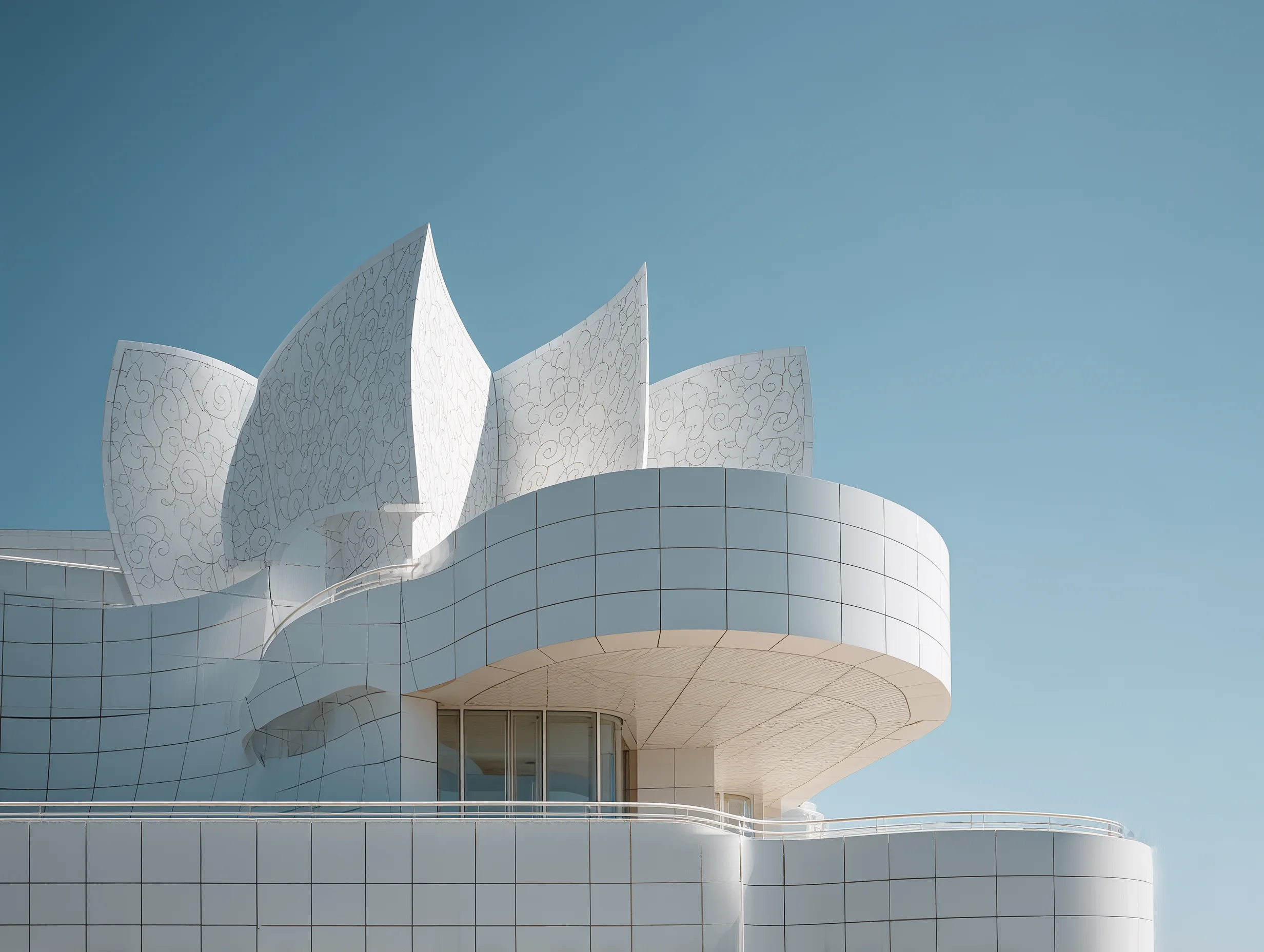
The Rise of Futuristic Buildings


The Rise of Futuristic Buildings
In recent years, the rise of futuristic buildings has captured the imagination of architects and urban planners alike. These structures often feature unconventional shapes and materials, pushing the boundaries of traditional design. This post explores some of the most iconic futuristic buildings around the world, examining their design philosophies and the technologies that make them possible.
Sustainable Innovations
Beyond their striking aesthetics, many futuristic buildings are at the forefront of sustainable design. They integrate advanced green technologies such as solar panels, rainwater harvesting systems, and natural ventilation to minimize their environmental footprint. These innovations not only reduce energy consumption and operational costs but also contribute to healthier indoor environments and a more resilient urban landscape. The focus shifts from merely constructing impressive edifices to creating structures that live in harmony with their surroundings.
The Future of Urban Living
Futuristic buildings often serve as prototypes for the future of urban living. They explore concepts like vertical cities, self-sufficient communities, and spaces that adapt to changing needs. By incorporating smart technologies, these buildings can optimize resource management, enhance connectivity, and provide innovative solutions for housing density and green spaces in crowded cities. They are not just isolated architectural wonders but integral components of a vision for a more efficient, interconnected, and sustainable urban future.
Iconic Examples
- The Guggenheim Museum Bilbao: A masterpiece of modern architecture.
- The Eden Project: A testament to sustainable design.
- The Bosco Verticale: A vertical forest in the heart of Milan.
These buildings not only serve their functional purposes but also inspire future generations of architects.
The history of architecture is not just stones and drawings, it's a footprint of time, telling us who we were and who we can become.